

Stepping into a timed competition can feel like walking into a busy Melbourne laneway during a long lunch – there’s a rhythm, a crowd, and a clear endpoint if you know where to look. Online casino tournaments for beginners work best when you treat them as structured play rather than a shortcut to a payout. I’ve backed commercial rollouts where the operator who nails onboarding and clear rules wins retention, not the one who dazzles with noise. The practical win here is learning the format, the entry terms, and how prize pools actually settle before you commit a single dollar.
What a tournament format actually looks like
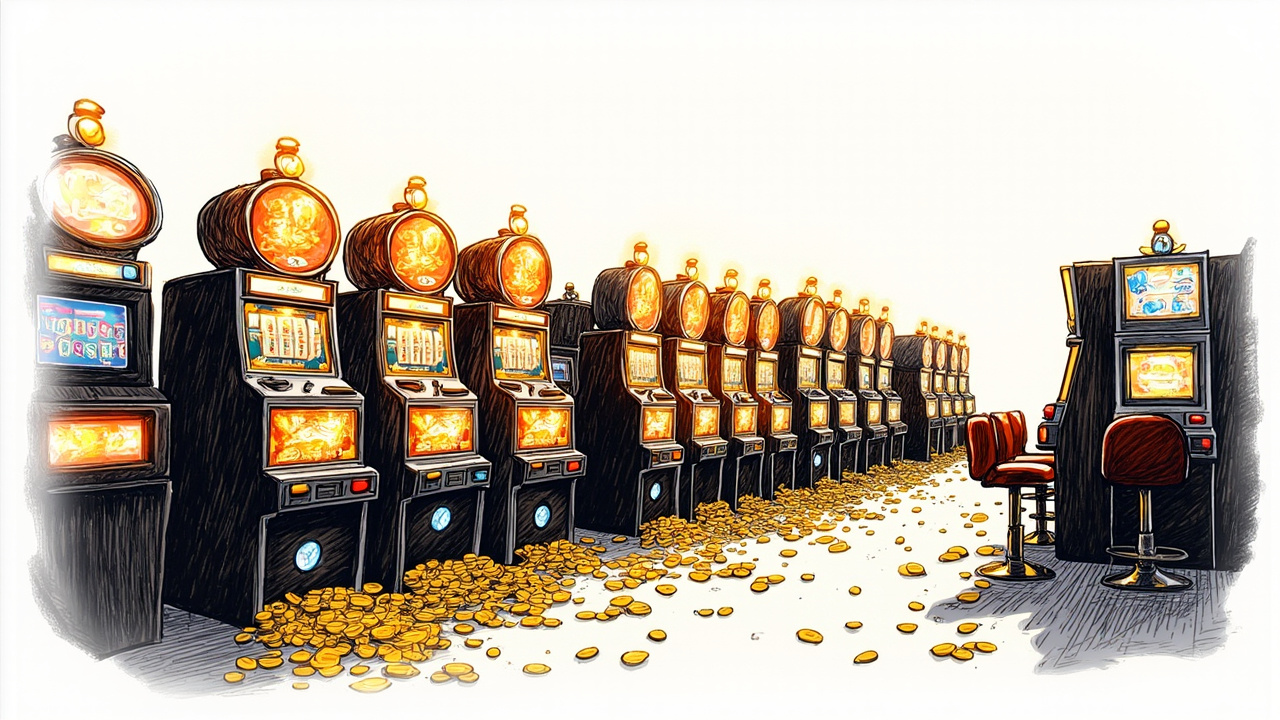
A tournament is a timed contest where players buy in or qualify for free, then compete on a shared scoreboard over a set window. You are usually chasing points from game actions – think spin volume, hand completions, or targeted bonus rounds – rather than chasing a single lucky spin. The prize pool is often fixed or capped, and the leaderboards refresh as the clock runs down. That structure matters because it changes how you play: patience and consistency tend to outrank chasing one big hit. When I’ve evaluated product builds, the operators that explain the scoring rule up front keep players longer than those hiding it behind a flashy banner. If you want a clean starting point for seeing how these events are presented, https://hellspinaustralia-online.com/ lays out the event types in a way that’s easy to scan before you sign up.
The real distinction is between scheduled events and perpetual leaderboards. A scheduled tournament has a start and finish, which makes it easier to plan a session and understand the risk window. A perpetual ladder can run indefinitely, which is handy if you like dipping in and out during a quiet arvo, but the prize distribution can feel less predictable. Either way, read the entry terms: some events are free to join, others require a buy-in or a minimum deposit, and a few restrict participation to certain games or stake ranges. A compact brand running these events well will keep the rules in plain language, show the remaining time clearly, and avoid hiding the prize pool behind vague wording. That kind of everyday usability is what separates a tournament you can actually enjoy from one that feels like a guessing game.
Player-fit scenarios worth considering
If you’re the sort of player who likes a clear finish line, a short scheduled tournament suits you better than an open-ended ladder. You can set a time box, watch the leaderboard move, and stop when the event ends instead of chasing a moving target. That fits a weekend session where you want a bit of structure without leaving the couch for hours. I’ve seen commercial products where the event calendar is the hook that brings casual players back, because it gives them a reason to return on a known schedule. The trade-off is that short events can feel brisk, so you need to be comfortable with the pace before you commit.
For players who prefer a slower rhythm, a free-to-enter event with a modest prize pool can be a sensible first step. You get a feel for the scoring without putting money on the line, and you can watch how the leaderboard behaves before you decide whether the format matches your style. That approach is less about chasing a big payout and more about learning the mechanics in a low-pressure setting. A product that offers a few free events alongside paid ones tends to be easier to navigate, because you can compare how each one scores without switching platforms. If you’re weighing which events to try first, the practical call is to start with the simplest scoring rule and the clearest time window, then move to more complex formats once you know what you’re watching.
Reading the rules before you play
The fine print is where tournaments either make sense or turn murky, so it pays to check a few specifics before you join. Look for how points are earned, whether there’s a minimum stake to qualify, and how the prize pool is split at the end. Some events reward volume, others reward specific actions, and a few cap your eligible contributions so a single big bet doesn’t distort the leaderboard. I’ve backed products where the operators who spell out those limits upfront avoid the complaints that pile up later, because players know what counts and what doesn’t. That clarity is worth more than a glossy promotion.
Payment terms matter too. Check whether entries are tied to a specific currency, whether any deposit or buy-in is refundable if you don’t qualify, and how winnings are credited. A platform that handles these events with a straightforward payment flow and a clear payout method is easier to trust than one that buries the details. I’ve seen commercial rollouts where the payment and verification steps were designed to be plain and quick, and that kind of operator-investor thinking shows up in how smooth the whole experience feels. If you’re comparing options, look for a site that explains its currency, its payout timing, and its verification expectations without making you hunt through layers of pages.
Melbourne players and practical session habits
Playing from Melbourne means you’re often juggling a session around work, a train ride, or a long lunch, so the mobile experience and the event timing matter more than they might at first glance. A tournament that runs nicely on a phone and shows the countdown in plain view is easier to manage when you’ve only got a few spare minutes. I’ve watched commercial teams obsess over the small stuff – clear timers, readable leaderboards, quick entry buttons – because those details are what keep a casual player from drifting off midway through an event. That’s the kind of everyday usability that adds up over time.
A couple of habits help keep the session grounded. Set a time limit before you join, decide what you’re comfortable spending, and treat the leaderboard as information rather than a promise. If an event’s scoring rule looks complicated, it’s worth waiting for a simpler one first rather than pushing through on guesswork. I’ve backed products where the operators who encourage sensible session habits end up with steadier engagement, because players know what they’re signing up for. That’s not about telling anyone how to play – it’s about making the format work for the person in front of the screen, not the other way around.

If you’re weighing which events to try first, a sensible call is to start with the simplest scoring rule and the clearest time window, then move to more complex formats once you know what you’re watching.
- Buy-in – the entry cost, if any, required to join a tournament.
- Leaderboard – the live ranking that shows how players are placed during an event.
- Prize pool – the total amount set aside for distribution to top finishers.
- Scoring rule – the method used to award points, such as spins, hands, or bonus triggers.
- Time window – the start and end period that defines how long an event runs.
